I tested Oura Ring 2 and Whoop 3.0 about four years ago, and my conclusion back then was that Oura Ring was great for sleep tracking while I had lots of legit questions about Whoop's accuracy.
Four years later, I've worn the Whoop 5.0 for a full year, and a ton has changed in that time. I wore the Oura Ring 4 every day for more than two months too, then switched to wearing it just at night for sleep.
Both devices got major upgrades over the years, but my recommendation has switched from Oura to Whoop for anyone who takes fitness seriously. Whoop kept improving over the years while Oura coasted on what was already working. The Ring 4 is basically the same product as four years ago, except the app is harder to use and now there's a subscription fee.
(As soon as I finished this comparison, Oura came out with the thinner Oura 5. I'll redo this comparison after I buy and test it, but for now, everything in this post is about Oura 4 and should still be helpful.)
1. Design & Comfort
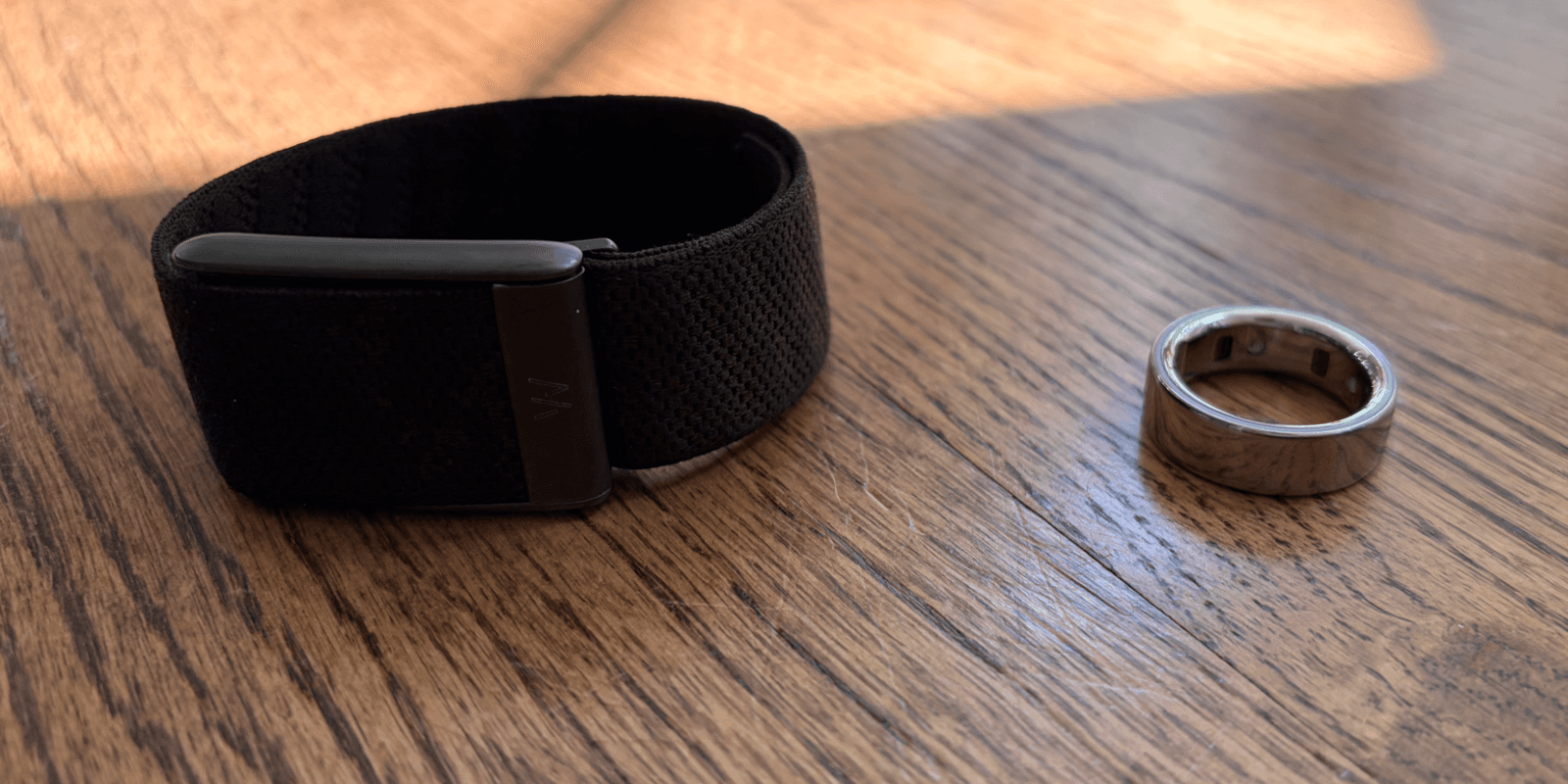
The Oura Ring 4 is a titanium ring about the size of a thick wedding band. My wedding ring is thin titanium and I never notice it, but the Oura is way bulkier.
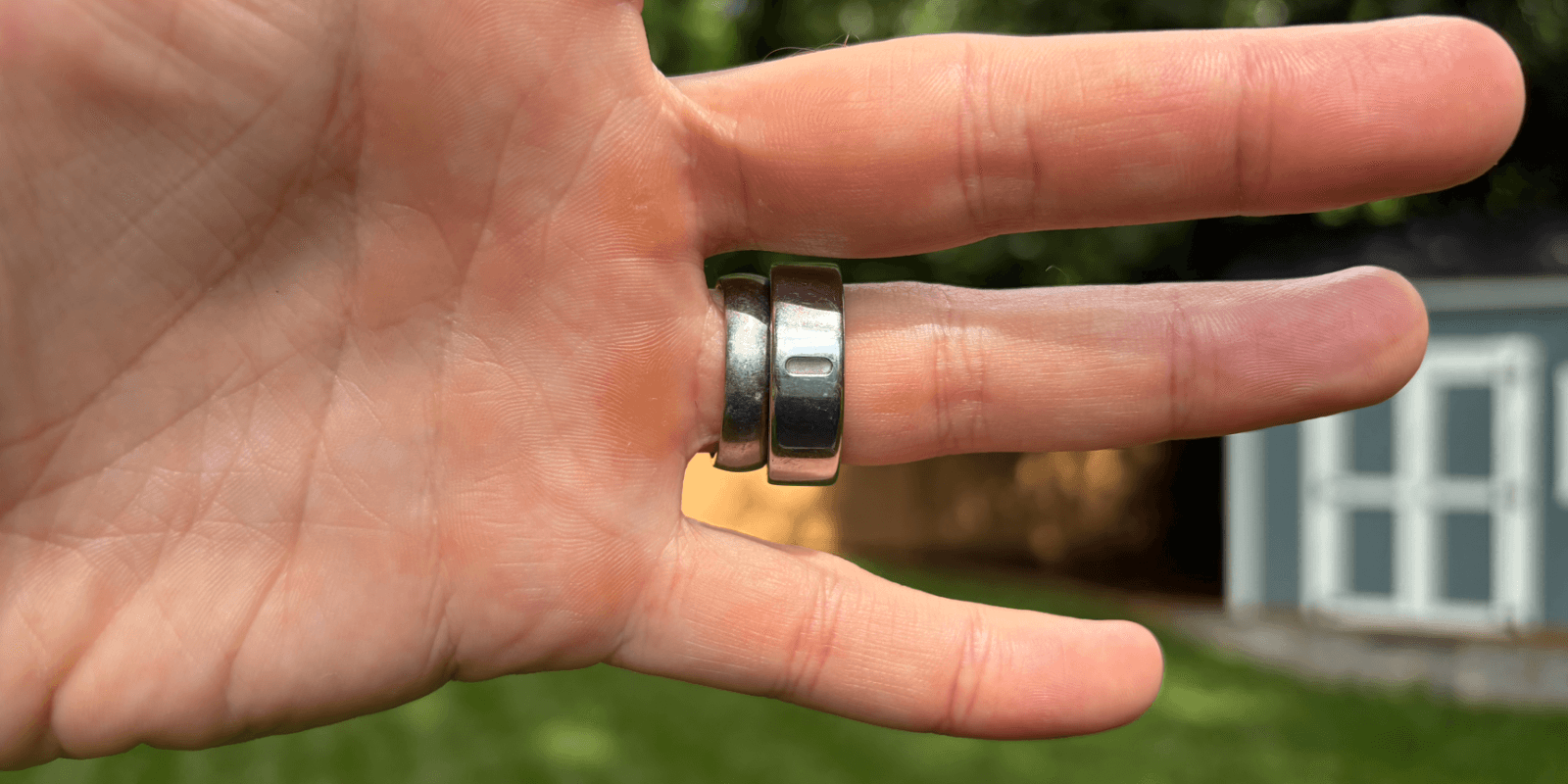
I went with the silver finish, but I wish I hadn't because it looks so cheesy. The ceramic options look better but cost an extra $100, so I'd just go with a brushed finish if I had to choose again.
My wedding ring is thin but bothers me for weight lifting, so I switch to a silicone band, but the Oura ring is next level annoying for weight lifting because I can feel each rep pressing into my finger.
The ring bangs into my phone, my MacBook's keyboard, and other stuff around the house. After two months, my ring is covered in micro scratches, but nothing went deep. It held up surprisingly well.
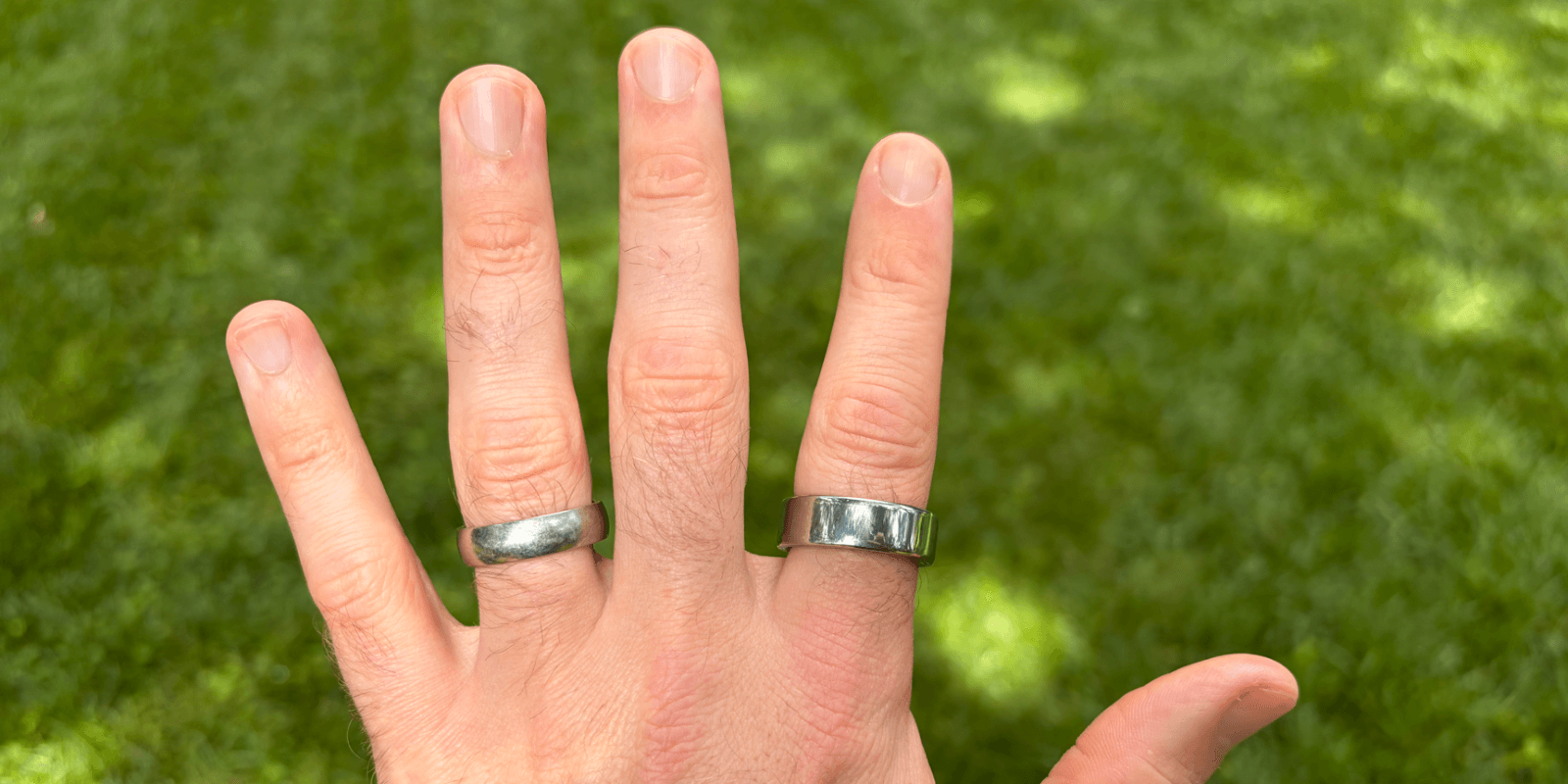
The finger you choose to use is important for comfort, which sucks because you won't know from the sizing kit which finger will be best for you until you've worn it for a week. My ideal finger was my index finger because the bulky ring only rubs against the middle finger rather than two fingers. But the ring didn't fit on my right index finger where I wanted it because I originally sized it for my right ring finger. The Ring 5 should fix a lot of my bulkiness concerns because it's 40% thinner, but I don't know for sure because I haven't tried it yet.
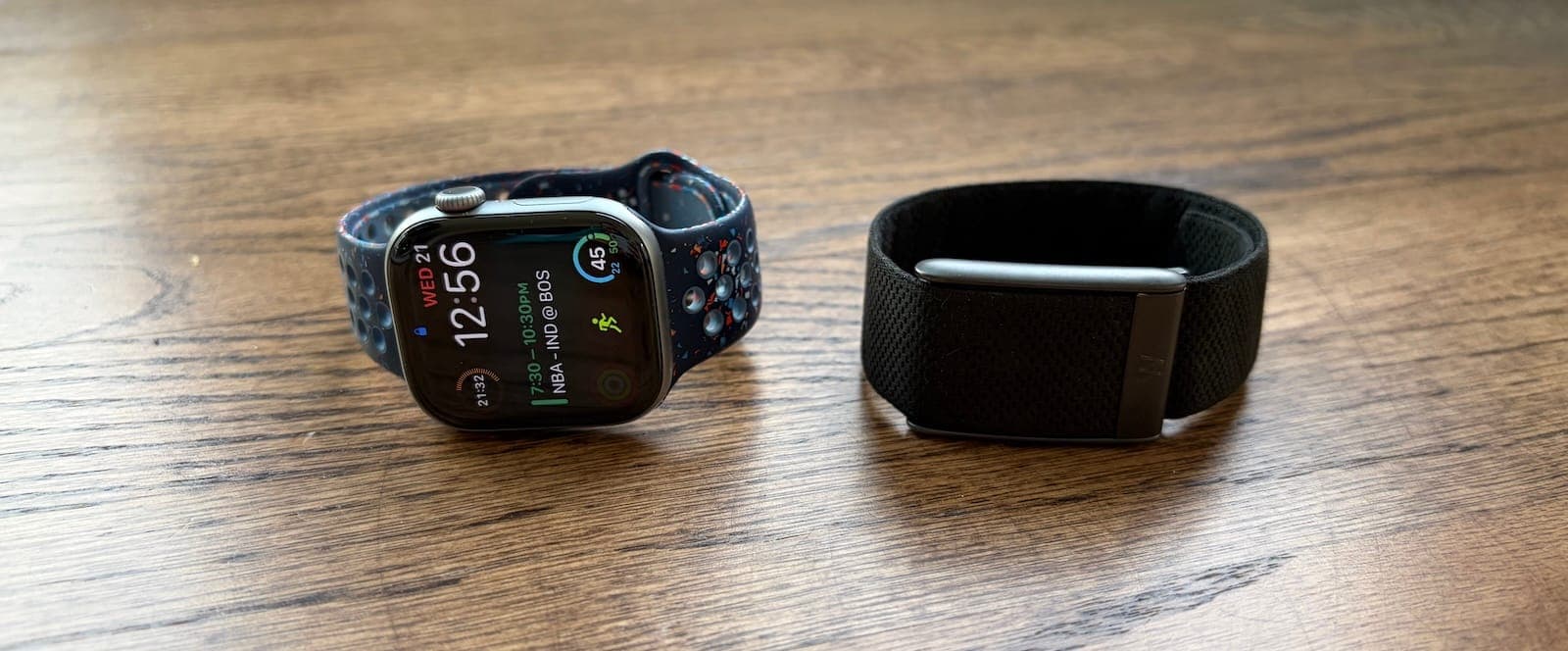
The Whoop 5.0's comfort is a huge upgrade from the past models because it's much thinner. It's so thin and light that it feels like a regular Apple Watch and way better than the bulky Apple Watch Ultra. The default black band still needs regular cleaning; otherwise, it starts to smell like a dead body. Whoop has other band materials on their site now too.
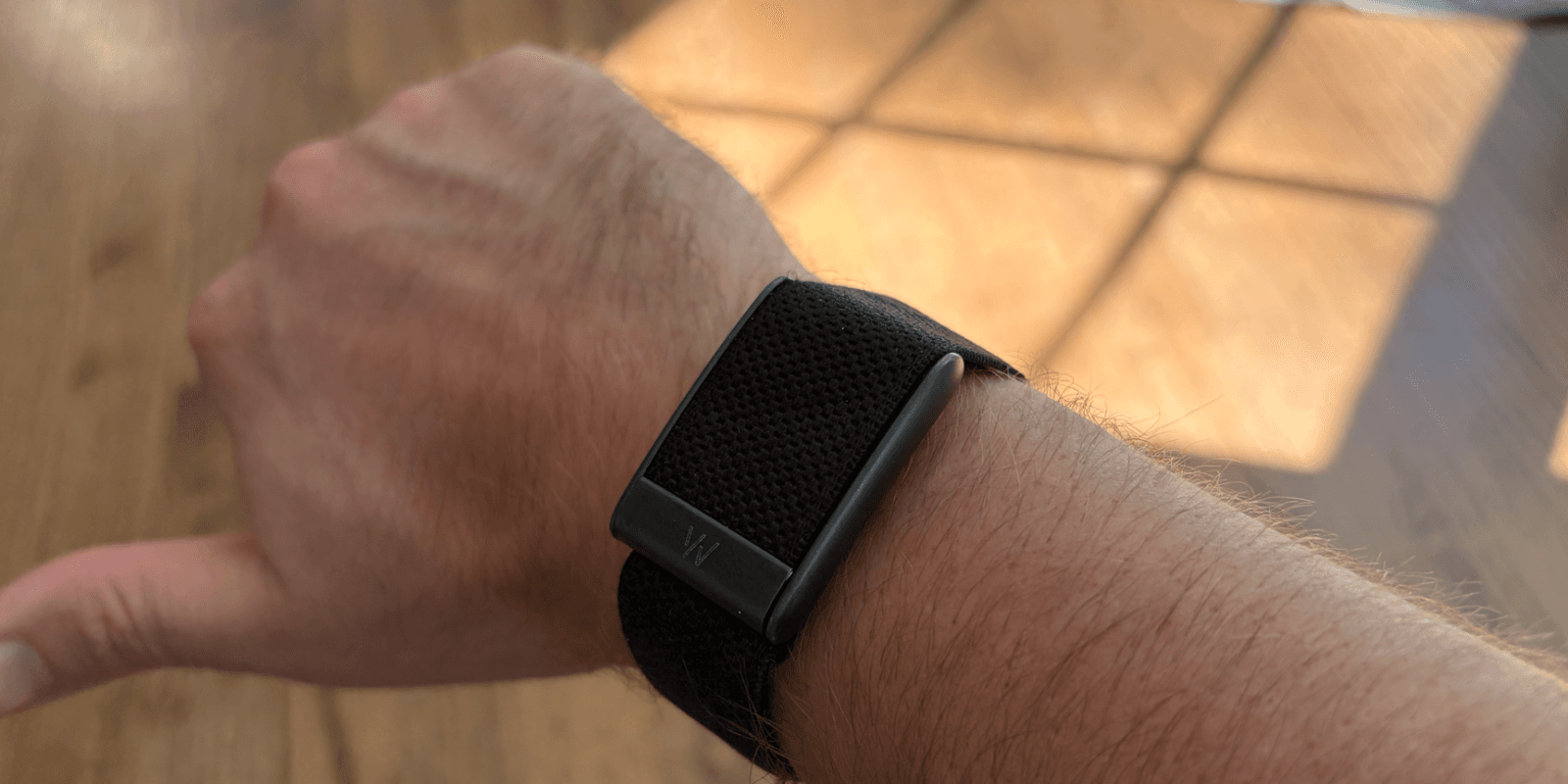
Unless you want to be maxed out like me with an Apple Watch on the left wrist, Whoop on the right, and Oura on my finger (you don't), the ring's edge is that it's more discreet and can be worn with a traditional watch.
2. Sleep Tracking & Recovery
Oura has always been strong at sleep tracking, and the Gen 4 keeps it going. It detects when you fall asleep and wake up and breaks your sleep into light, REM, and deep stages automatically. Every morning you get a readiness score based on your HRV, resting heart rate, body temperature, and respiratory rate. It averages your HRV across the whole night instead of weighting one sleep stage, which is a smarter approach than Whoop.
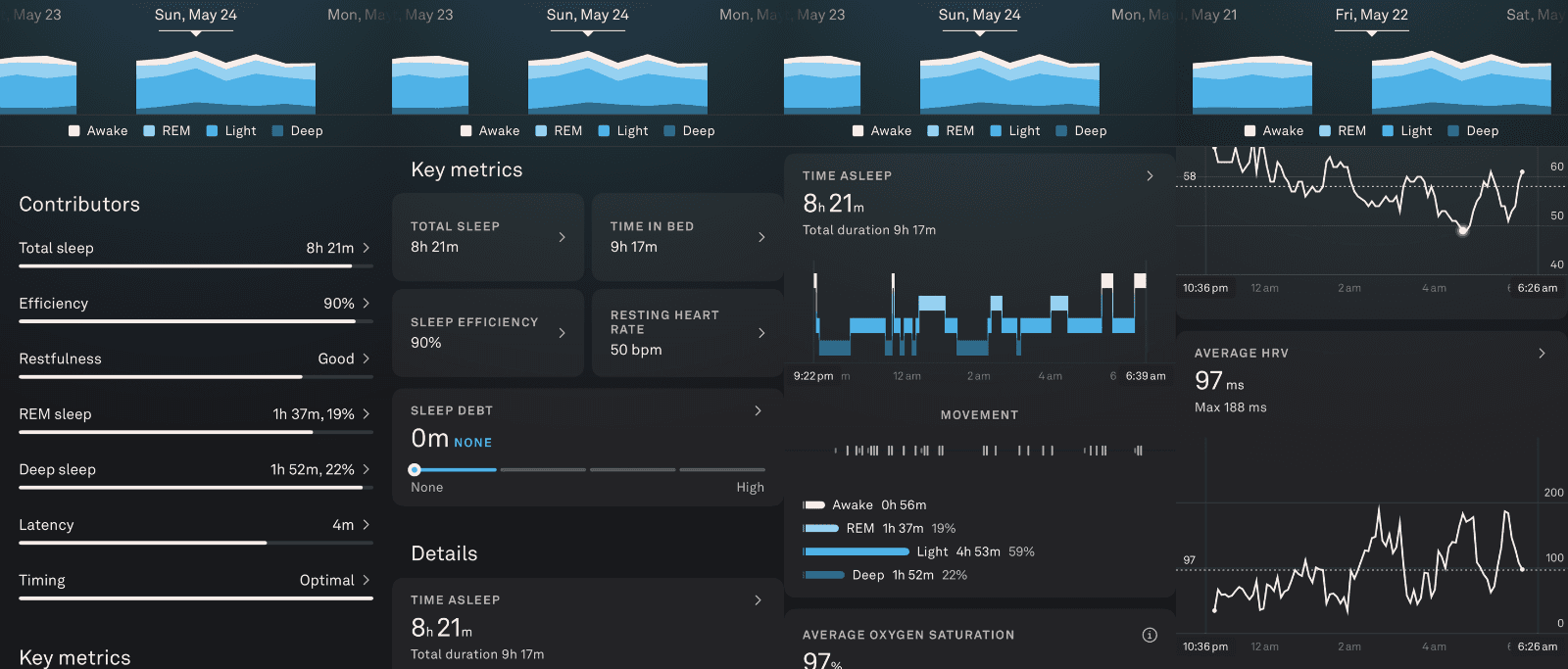
Whoop's sleep tracking is much better than it was on the 3.0 and 4.0 because the 5.0 fixed deep sleep measurements. With the 3.0 and 4.0, I'd often see just 42 minutes of deep sleep a night, which was way off. But now my deep sleep seems better, which fixed the recovery scores. Now, Whoop's recovery matches how I feel in real life almost all the time.
Oura's readiness scores play it safe. After more than two months of testing, my scores sat at 85 or 86 almost every single day. My lowest was a 77 after a terrible night. My highest was a 91. I never got a 100 either. My scores were just stuck within a 14-point range. Oura was just too afraid to have a real opinion.
Whoop's recovery scores swing more, and the swings match how I feel. If I sleep poorly and drink a beer, Whoop hits me with a 30% recovery. Oura would probably still give me an 80.
One hardware issue: if your ring shifts at night and the sensor moves off the palm side of your finger, your heart rate readings drop out. I saw big gaps in my overnight heart rate graph about a third of the time. Whoop stays strapped to your wrist with no data issues.
Whoop's daily questionnaire is its best recovery feature. Each morning, you answer a few questions about the day before. Did you drink? Caffeine late? Heavy meal?
After a couple weeks, it shows you which things actually move your recovery. I learned one beer destroys my HRV the next day. I also found out a focus supplement I was testing tanked my recovery every time I took it. Oura has tags you can add to your days, but the app doesn't do anything useful with them. There's no real reason to tag anything except for your own memory.
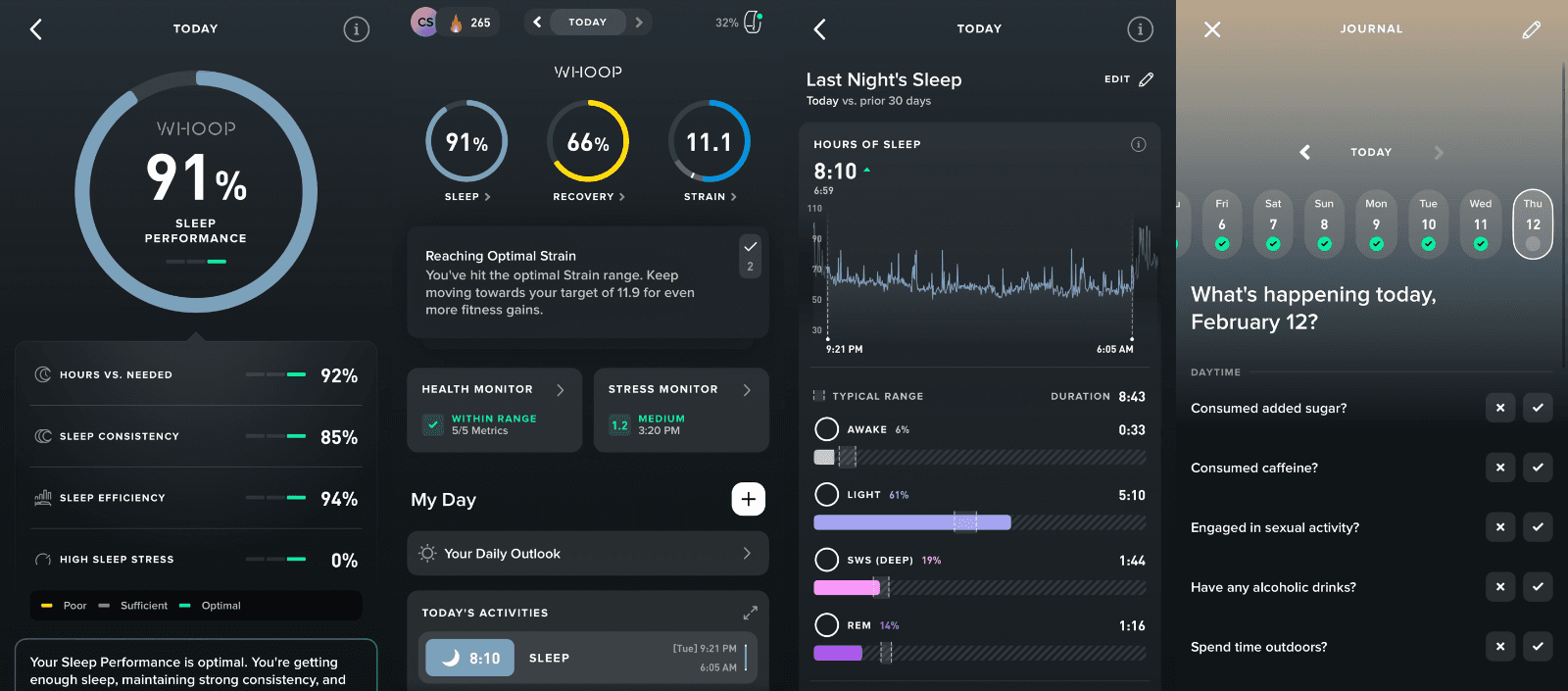
Whoop also caught me getting sick before I felt anything. I woke up with a terrible recovery score in the morning and I felt okay, but the morning after, I got hit with a nasty flu. Over the next two weeks, I watched my numbers climb back up each day as I recovered.
The Oura app was redesigned into three tabs: Today, Vitals, and My Health. It looks clean, but even after two months, I can't always find what I'm looking for. Whoop's layout is more organized. Oura has a "time to stretch" notification reminder similar to the Apple Watch's hourly stand rings, and I like it.
After more than two months of wearing all three fitness trackers at once, I have zero urge to open the Oura app. The only reason I checked it was to write this review. With Whoop, I open it every morning without thinking, which is probably the biggest story of this comparison.
Oura is the obvious winner for sleep because I just forgot about it. And Whoop is a solid step up from the Apple Watch for sleep.
3. Activity Tracking
Whoop auto-detects workouts from your heart rate and wrist movements. Once you log a couple of workouts, it learns the types of exercise you do and starts catching everything on its own. The auto-logging had a couple of outrageous misses, like tagging playing with my kids in the backyard as snowshoeing and mowing my lawn as mountain biking, but Whoop nails detection about 90% of the time.
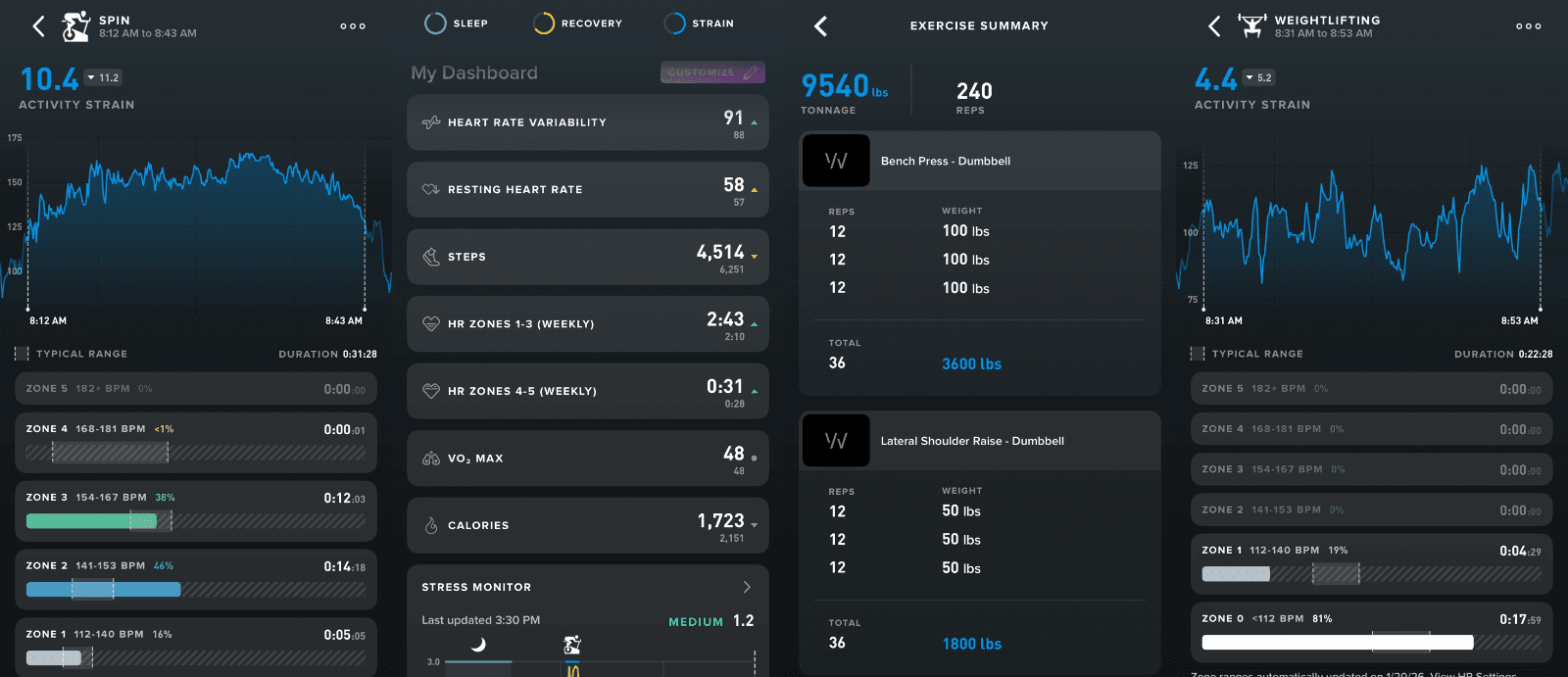
Whoop also lets you live-track a workout on your phone, with real-time heart rate and strain between sets.
Whoop's strain score tells you how hard to push each day based on how recovered you are. If you went hard yesterday, it'll tell you to take it easier. If you're well rested, it tells you it's time to let it rip. You even get a haptic buzz when you hit your "optimal strain" mid-workout. For someone like me, who exercises daily and tends to overdo it, it's a useful feature.
Unfortunately, Whoop still struggles with weight lifting accuracy. After a year with the 5.0, my average heart rate during lifting was consistently lower on Whoop than on my Apple Watch. When the watch showed spikes to 160 BPM on a heavy set, Whoop showed a flatter 110-120 BPM.
Whoop uses a slower 26Hz sampling rate to protect its 14-day battery, which smooths out the rapid spikes you get in lifting. I've tested three generations of Whoop bands, and it still isn't fixed.
Whoop added a "muscular load" feature to make up for the heart rate inaccuracy. You manually enter your exercises, reps, sets, and weight after a session, and it adjusts your strain. Whoop would score a typical push day at 4-5 strain based on heart rate, but it'd more than double after logging the muscular load.
You can save preset routines if you do the same exercises/reps/sets each week, but if your workouts change a lot, it'll take at least five minutes to log a new session. I used it a few times and stopped because it felt like so much work.
Oura's activity tracking is lame. When you start a "live workout" in the app, it's literally just a timer without heart rate or any other metrics.
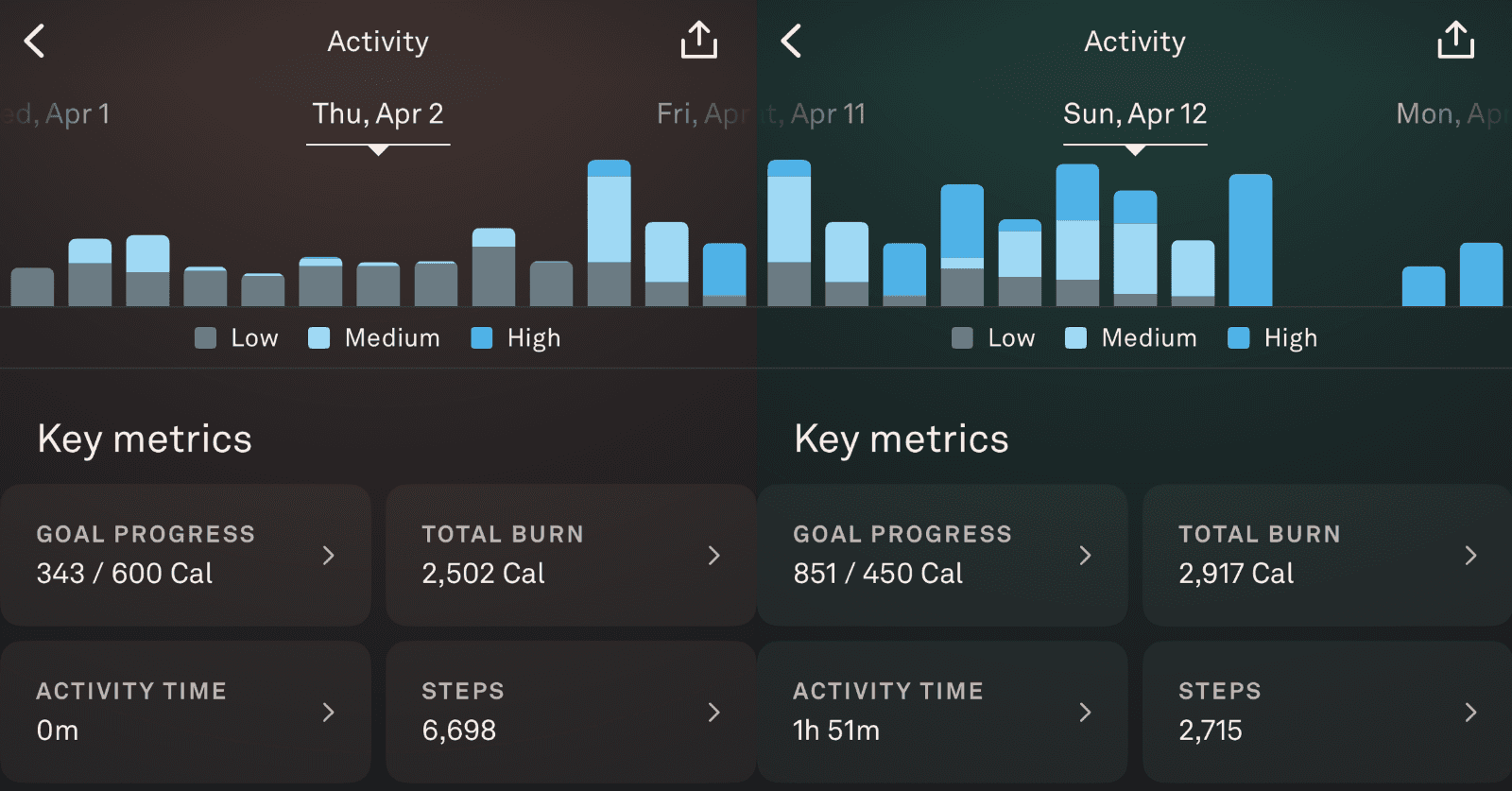
The app sometimes notices you were active and suggests you log it, but it doesn't know what activity you did like Whoop does, and the time windows are often wrong. After your workout, you have to scroll through your heart rate graph to remember what you did at each spike, then fix the times and pick the activity yourself.
The strange part is that your activity goals depend on whether you log the workout. I had an intense Peloton session, and by the end of the day Oura said I was only halfway to my goal because I didn't log it.
But after I log my workout, my activity ring fills up. The annoying part is that the ring tracks heart rate during the entire workout and nothing changes about your body's output. The difference between a tough day and an easy day, according to Oura, is whether you tap a button in the app after you're done.
Oura has the same heart rate issue as Whoop too. The battery is so small that it doesn't sample fast enough to catch weight training spikes.
Bad workout tracking, along with bad heart rate readings, basically means that Oura is a fine step counter for tracking daytime activity, but nothing more. This is why I stopped wearing the ring during the day.
However, if you have an Apple Watch, the best setup is to use the Oura Ring exclusively for sleep and let the watch handle everything during the day. Oura pulls your Apple Watch data in through Apple Health, so even when I only wear the ring at night, it still knows what I did during the day. Oura can see when I exercised and how active I was, which makes the sleep and readiness data more useful because it has the full context of the day. With this setup, you don't have to wear a bulky watch for sleep (and it gives you a good window to charge your watch), plus you don't have to worry about the ring getting in your way during your workout.
4. Battery Life
Whoop's battery is listed at 14 days, and I consistently got right around that. The battery pack slides on and charges while you wear it, which is still a brilliant idea. When I get Whoop's "three days left" battery notification, I slide the pack on for a couple hours and forget about it for another 10-11 days.
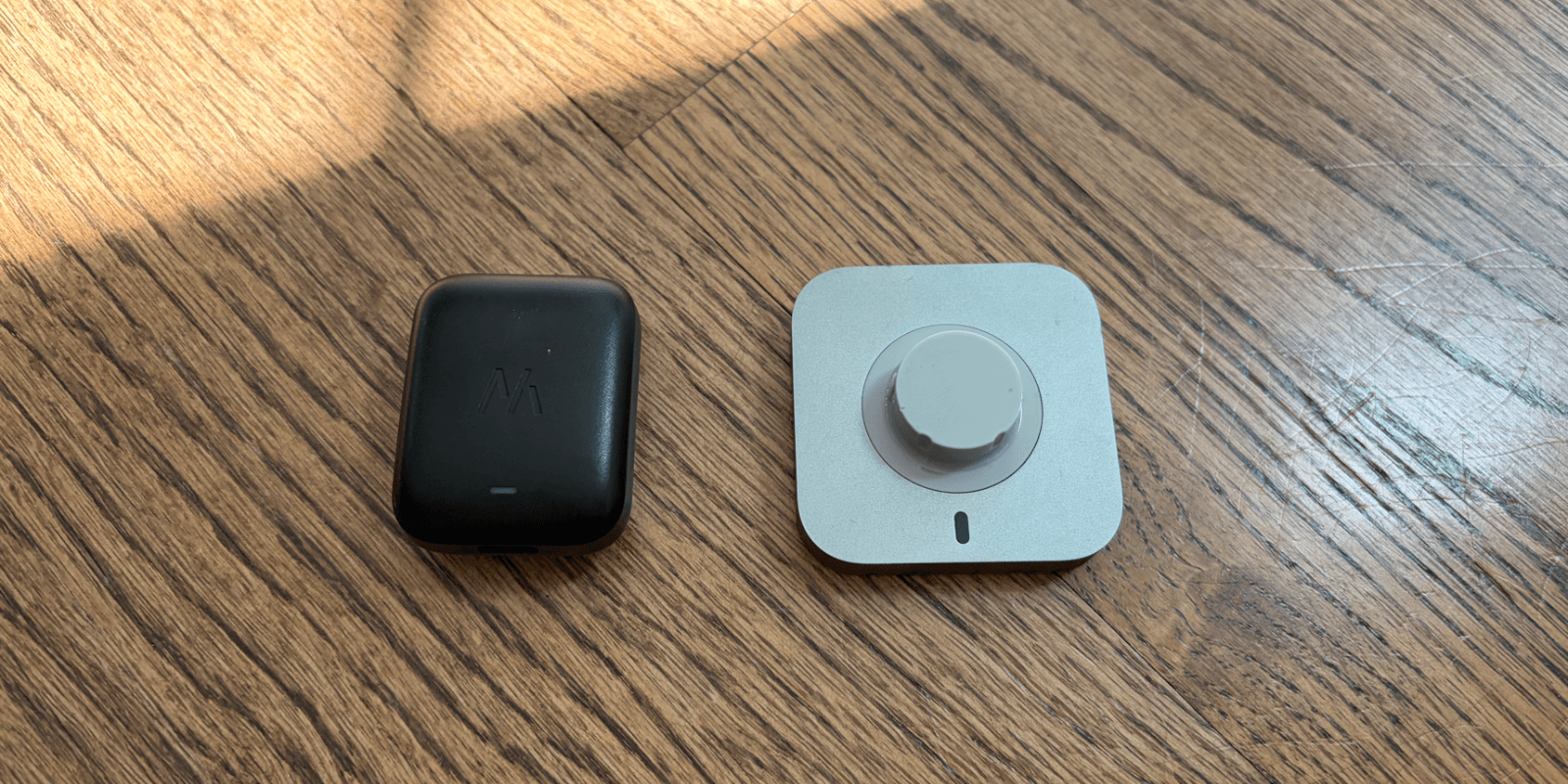
The Oura Ring 4 is listed at 5-8 days, and I averaged about 5. That's less than half of Whoop, but for a ring this small, it's still impressive.
There's no way to charge Oura while wearing it, so to get your daytime data, you'll have to find charging windows during the day while also remembering to put it back on, which is easy to forget because there's no screen and the daytime data sucks.
Price Comparison
| Oura Ring 4 | Whoop 5.0 (Peak) | |
|---|---|---|
| Upfront Cost | $349 (titanium) / $449 (ceramic) | $0 (device included) |
| Subscription | $5.99/mo or $69.99/yr | $239/yr ($19.92/mo) |
| 2-Year Cost | ~$489-$589 | ~$478 |
| 3-Year Cost | ~$559-$659 | ~$717 |
| Used / eBay Price | ~$170-$250 | N/A (subscription required) |
Oura's subscription is mandatory for most of the useful features. Without it, you get basic sleep tracking, but no readiness scores, no detailed HRV, and no trends. At $5.99 a month or $69.99 a year, it adds up.
On a two-year basis, the two are nearly identical. By year three, Oura is cheaper because you're not buying new hardware while Whoop keeps charging $239 a year. Whoop also has a cheaper One tier at $199 a year, or a pricier Life tier at $359.
Oura is still selling the Ring 4 new on its own site for $349, which makes no sense. Please don't buy it there. Why pay $349 for last year's ring when the Ring 5 is $399? Just spend the extra $50 and get the newest, thinnest tech. The best way to get an Oura Ring 4 now is Swappa or eBay. You can easily find it new on eBay for around $250, which is where I got mine. Now that the Ring 5 is out, Ring 4 prices should drop even further, which makes it a much better deal if you don't care about the new thinner design.
Which one should you buy?
If I had to own just one, I'd take the Whoop, every day. It handles workouts and recovery on its own without leaning on anything else, and if you're reading a post like this, that's probably what you're after.
However, if you're an Apple Watch user and just looking for sleep tracking, Oura Ring is interesting since the Oura app reads your watch data through Apple Health, while Whoop can't do this.
Oura Ring is also a solid idea if you wear a traditional watch and don't want a fitness band on your wrist.
Outside of those two scenarios, get the Whoop. And if you're not sure you need any of this, a cheap fitness band covers steps and sleep for half the price.
Oura Ring is good for sleep and good for telling whether you're awake and/or alive during the day, but terrible for almost everything else.
I don't stress out over sleep tracking anymore. My Eight Sleep handles mine. While it's not the most accurate, I don't care because a low readiness score just convinces me I don't feel good on mornings when I feel fine.
Oura also just added Stelo glucose tracking, the same thing Levels Health does. Based on the rest of the app, I'd put my money on Levels doing it better.
Affiliate Disclosure
I bought both the Oura Ring 4 and my Whoop 5.0 membership with my own money. If you use any links in this post to sign up, I may earn a commission. Using my links supports my content and I appreciate it.